

HPV (Human Papilloma Virus), the human papillomavirus, is considered one of the most common sexually transmitted diseases.< 0 >There are many types of the virus. It is highly resistant and contagious,< 0 >while its frequency is increasing rapidly worldwide. There are over 100 types of HPV, which have been numbered (HPV1, HPV2, HPV3, etc.). Of these, 15 are high-risk for carcinogenesis. Some types are transmitted through sexual contact< 0 >and some cause genital warts, single or multiple lesions that develop in the genital area in men and women.
Symptoms
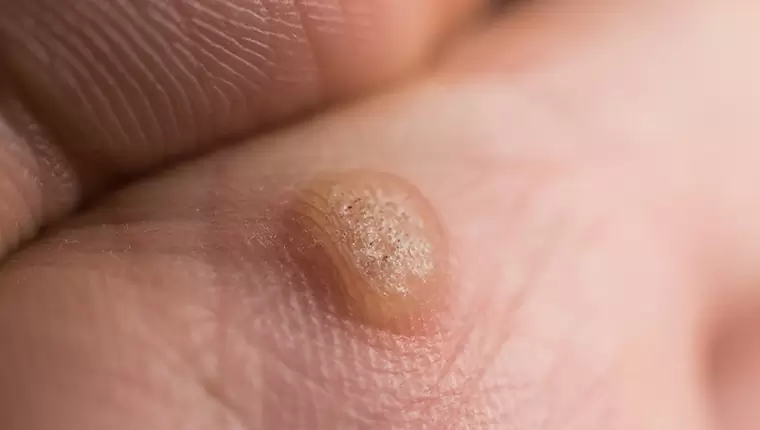
Warts are usually asymptomatic and rarely may cause itching or a burning sensation. The areas affected are the penis, scrotum, groin, and perianal region in men, while in women they include the vagina, vulva, cervix, and the groin and perianal region. More rarely, warts can appear on the lips, larynx, hands, and inside the mouth. Genital warts can develop on either the internal or external genital organs. The virus enters the skin and mucous membranes through small abrasions in the genital area, which are created during sexual contact. In appearance, the warts resemble skin-colored or white growths, similar to small fleshy nodules. Their diagnosis is clinical and must be made by an experienced Dermatologist, who will also recommend the appropriate treatment.
Therapy
The removal of warts can be performed using Laser, Cryotherapy, Electrocautery, or Surgical excision. The duration of treatment is not fixed. Treatments are normally applied, but recurrences may occur, requiring the removal procedure to be repeated. Therefore, the treatment is considered complete when no further recurrences are observed.
Common Questions
Could I have warts and not know it?
Yes, a person can be infected with the virus and not develop warts. In many cases, the virus is controlled by the immune system and does not manifest, remaining in a latent state. Additionally, because warts are often asymptomatic, they may go unnoticed by the patient.
How long after contracting the HPV virus can I develop warts?
The time of appearance of warts ranges from 1-8 months or more. It is also possible that warts have appeared and have not been noticed by the patient.
If the warts are eliminated, am I still a carrier of the HPV virus?
We are never cured of HPV and remain carriers for life, but our immune system (when it is in good condition) keeps it under control. However, if our immune system fails, warts can reappear, as happens with other viruses (e.g. herpes).
Does a condom protect me from HPV?
The use of condoms is considered essential, not only for HPV infections but also because they protect against other sexually transmitted diseases. However, HPV is transmitted mainly through skin-to-skin contact rather than bodily fluids, which means that condoms do not provide complete protection. Condoms can help and offer partial protection, but only for the areas of skin they cover, so they do not protect 100%.