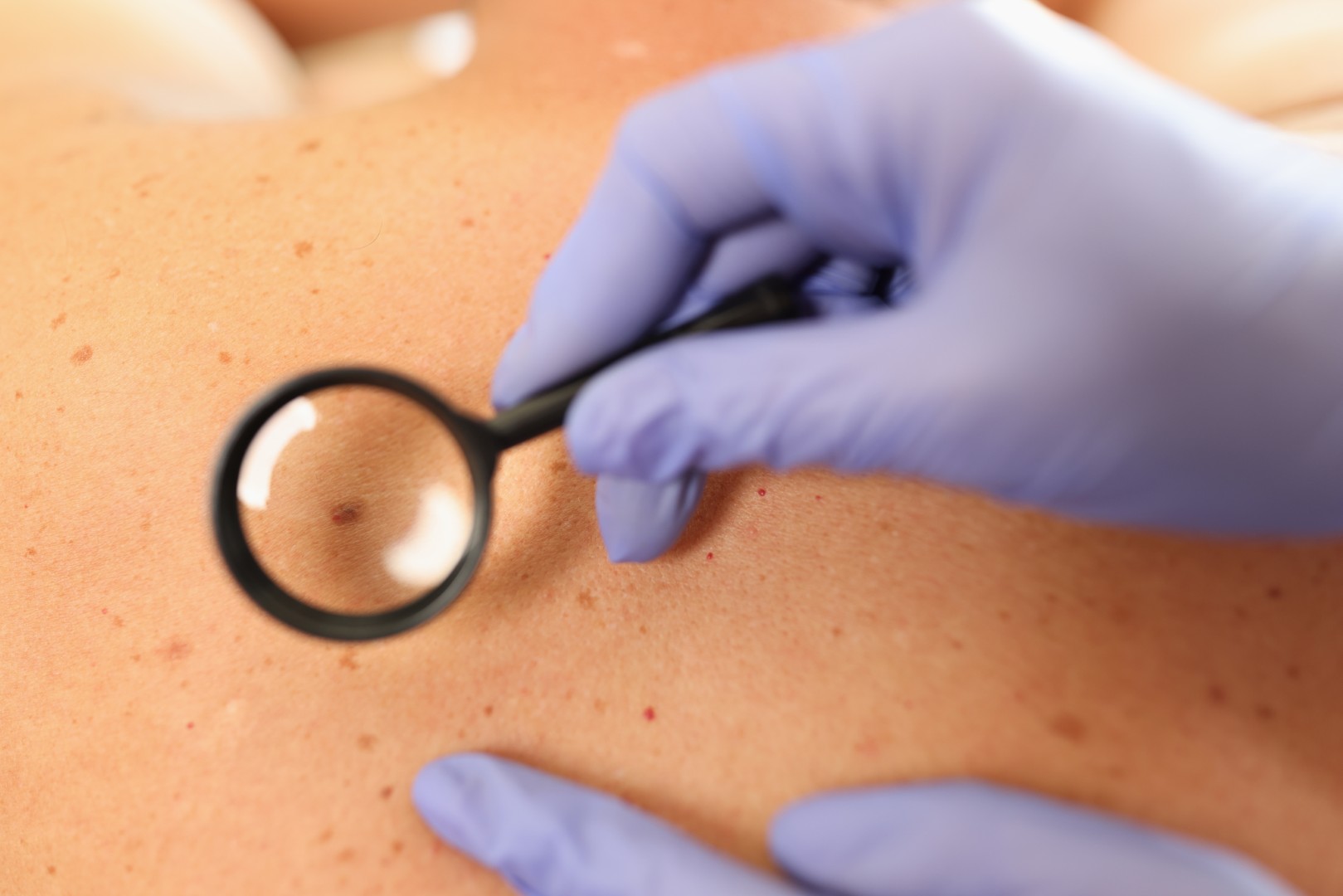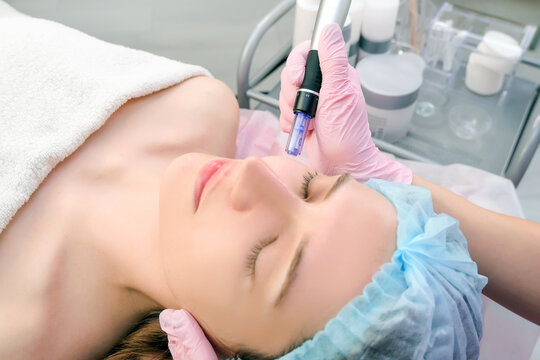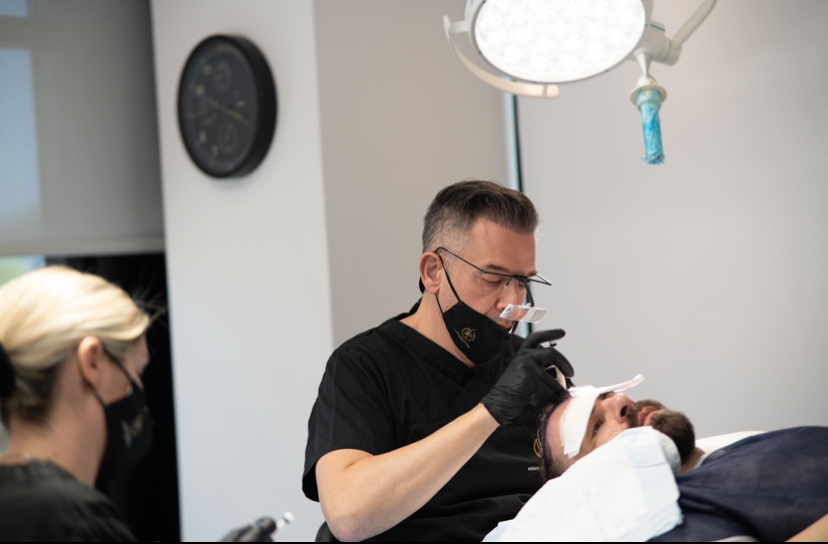


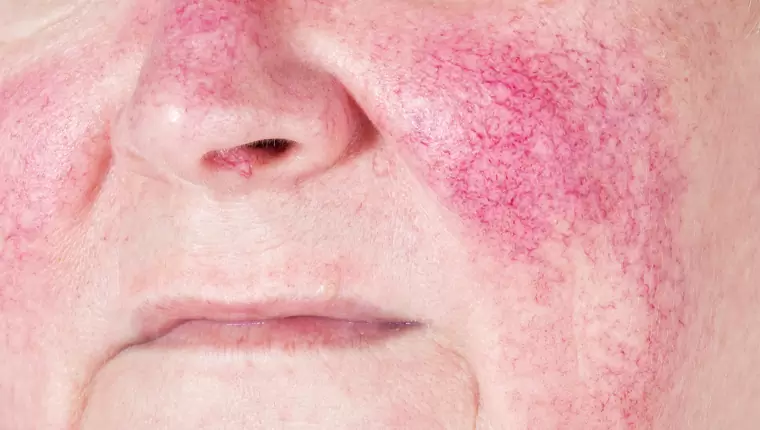
This is an inflammatory skin condition characterized by redness and increased permeability of the capillaries on the face (cheeks, nose, forehead, chin). It is more common in women over 30 with fair, light-colored skin and can also appear during pregnancy or menopause. It was previously referred to as rosacea.
Heredity, hormonal disorders, chronic sun exposure, and specific gastrointestinal issues (such as Helicobacter pylori infection) appear to be contributing factors associated with the condition. Triggers that cause vascular disturbances and redness include:
- Increased stress
- The high ambient temperature
- Consumption of alcohol, caffeine and spicy foods
- The use of cosmetics with alcohol or witch hazel
- The use of peppermint and eucalyptus oils
- Chronic cough
Symptoms
- Redness.
- Excessive vascularity on the face (telangiectasias).
- Appearance of inflammatory papules and pustules.
- There is a possibility of hypertrophy of the sebaceous glands, mainly in the nose, but it is rare and occurs mainly in men, the so-called rhinophyma.
- Possible eye infection such as conjunctivitis, blepharitis or keratitis.
Therapy
There is no cure for rosacea. Treatment depends on the stage and severity of the disease and is symptomatic and aims to improve the aesthetic outcome.
In the initial stages, it is recommended to avoid irritating factors (heat, stress, foods) and use high-protection sunscreen and topical application of vasoconstrictor cosmetics and creams.
In more advanced stages, the use of topical pharmaceutical preparations by the doctor is required, which mainly contain antibiotics (metronidazole) or azelaic acid.
In the final stage of rhinophyma, dermatosurgical intervention is required with cauterization of the lesions with diathermy or laser.
Common Questions
What foods should I avoid as I have rosacea?
According to scientific studies, the foods that may trigger flare-ups of rosacea include: liver, yogurt, cream, cheese (except cottage cheese), chocolate, vanilla, soy sauce, yeast extract, vinegar, eggplant, avocado, spinach, broad beans, peas, citrus fruits, tomatoes, bananas, red plums, raisins, figs, spicy and hot foods, and foods high in histamine.
It is also generally recommended to avoid alcohol—especially red wine, beer, bourbon, gin, vodka, or champagne—as well as hot beverages such as chocolate, coffee, or tea.
Will rosacea get worse as I get older?
The symptoms of rosacea tend to worsen if proper treatment is not followed. Once the patient correctly applies their treatment and strictly follows the instructions of a specialized dermatologist, rosacea can be effectively controlled over the long term.