

Fungal infections are infections caused by microorganisms and include fungal infections of the skin, hair and nails (onychomycosis). They are divided into:
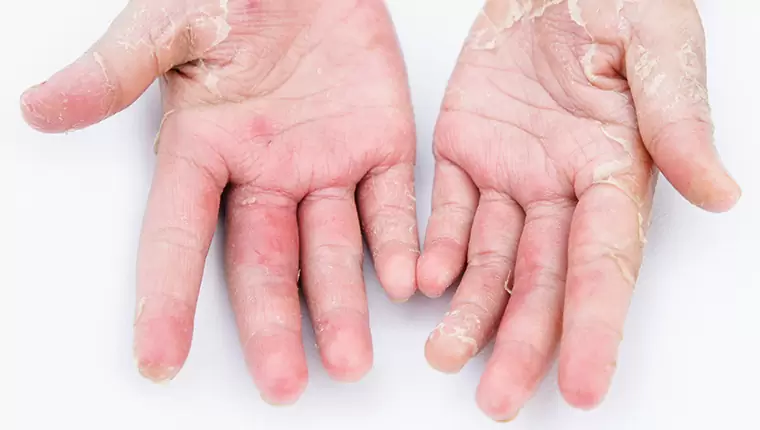
Tinea versicolor (Pityriasis versicolor): It is a superficial fungal infection caused by the yeast Pityrosporum. It mainly affects young adults of both sexes. It is characterized by the appearance of discolored patches with slight scaling and often recurs. It appears in areas with high sebum production and moisture, which is why it is more common in people who sweat a lot, have very oily skin, or wear clothing that does not allow sweat to evaporate (synthetic fabrics). It is mainly located on the trunk and upper limbs, in tropical areas, and on the face. The patches can be brown, reddish, or even colorless, hence the name “tinea versicolor.” Mild itching may also occur.
Dermatophytosis (Ringworm): This fungal infection affects the keratin layer of the skin, nails, and hair. Scalp infections are more common in children, while the frequency of nail fungal infections (onychomycosis) increases with age. The clinical presentation varies depending on the type of fungus. The most common dermatophyte infections present as:
Skin: Erythematous patches clearly demarcated from surrounding healthy skin, with central healing and peripheral scaling, usually on exposed areas.
Feet: Erythema with mild scaling between the toes.
Scalp: Broken hairs with hyperkeratotic plaques.
Nails: Partial discoloration and detachment of the free edge.
Symptoms are often accompanied by itching.
Candidiasis: This fungal infection is caused by Candida albicans and affects skin folds, mucous membranes, and nails. It can be aggravated by conditions such as diabetes, pregnancy, or the use of antibiotics and corticosteroids. Patients typically present with erythematous plaques, peripheral pustules, and itching.
Symptoms
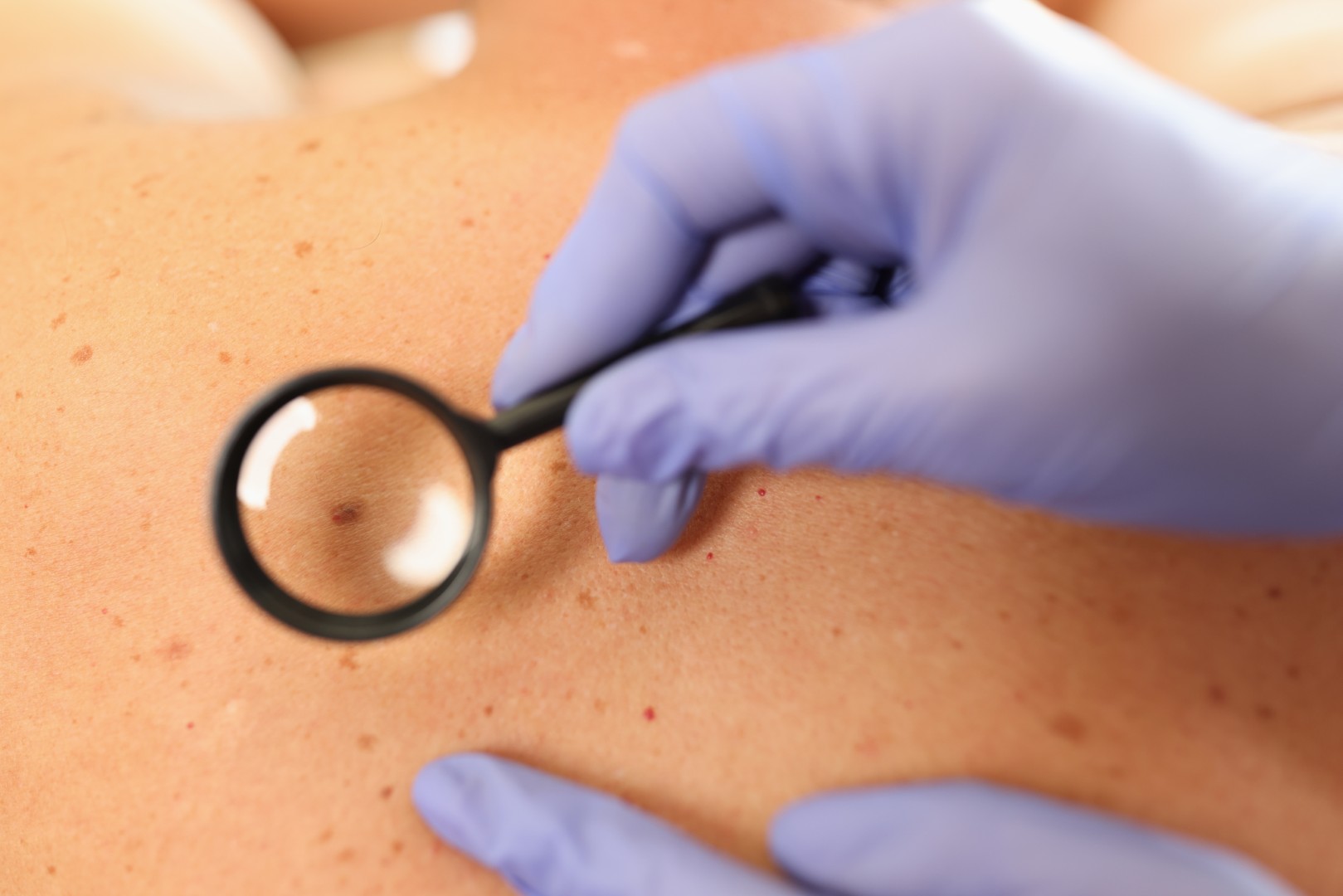
The symptoms of a fungal infection appear 2 to 38 weeks after the person is infected and can be located in various areas, such as the nails, skin, feet, and genital organs. Additionally, they can sometimes appear in the form of a new mole. Usually, depending on the location, the lesions have a ring shape, with a red or beige color in the center of the ring, while the periphery shows a reddish hue.
Therapy
The usual treatments are:
- Antifungal creams for mild cases.
- Topical treatment with a medicated cream, gel, or powder containing itraconazole, terbinafine, or ciclopiroxolamine.
- Systemic oral therapy with drugs containing itraconazole, terbinafine or ciclopiroxolamine. This treatment is indicated for cases of dermatophyte fungal infections, which cannot last more than 7 days, while it is contraindicated in cases of patient sensitivity.
- Laser treatment, which is considered the ideal method for treating onychomycosis.
Common Questions
Is it easily transmitted?
You can catch it from an infected person, animal, object, or even from the ground. Heat and humidity help fungi grow and thrive, which makes the symptoms more common in areas where you sweat. Fungi also develop in skin folds, such as those in the groin area or between the toes.
How can we protect ourselves from fungal infections, especially during the summer months?
To prevent dermatomycoses (fungal infections of the skin), you should:
- Dry yourself very well after bathing.
- Let’s not lie naked on the sand
- Do not walk barefoot in areas such as locker rooms or next to swimming pools.
- Don’t wear synthetic clothes.
- Don’t use plastic shoes.
- Να χρησιμοποιούμε μικρή ποσότητα αντιιδρωτικής σκόνης στα πόδια και μέσα στις κάλτσες