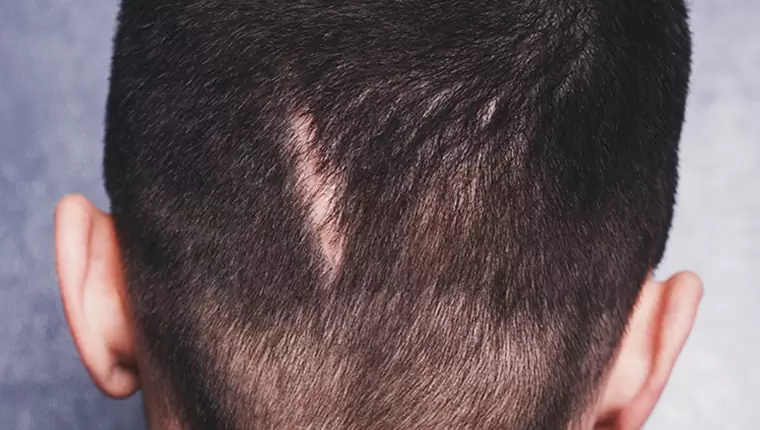
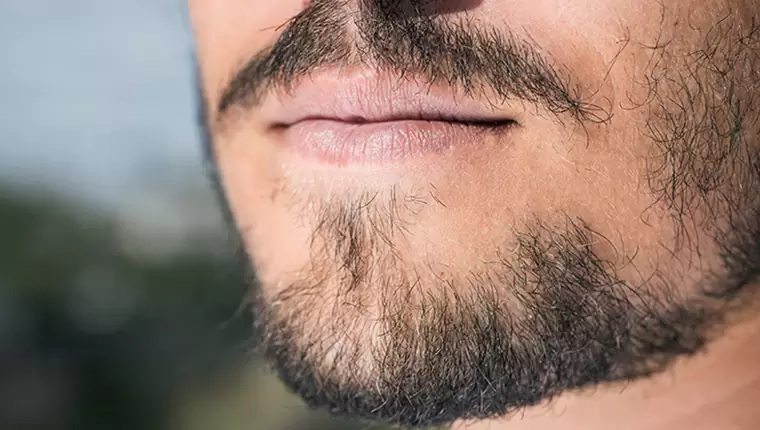
Medical tattooing is the ideal non-surgical option for those who want to cover thinning areas or any scars on the scalp, creating the appearance of denser hair.
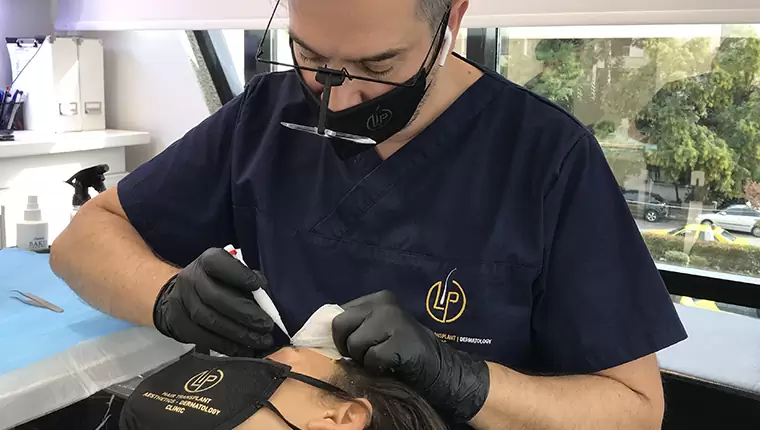
Medical tattooing, also known as scalp micropigmentation (SMP), is a medical method for covering scars, bald spots, or thinning hair—essentially through tattooing. Practically, it involves creating tattoos in the form of tiny dots on the scalp.
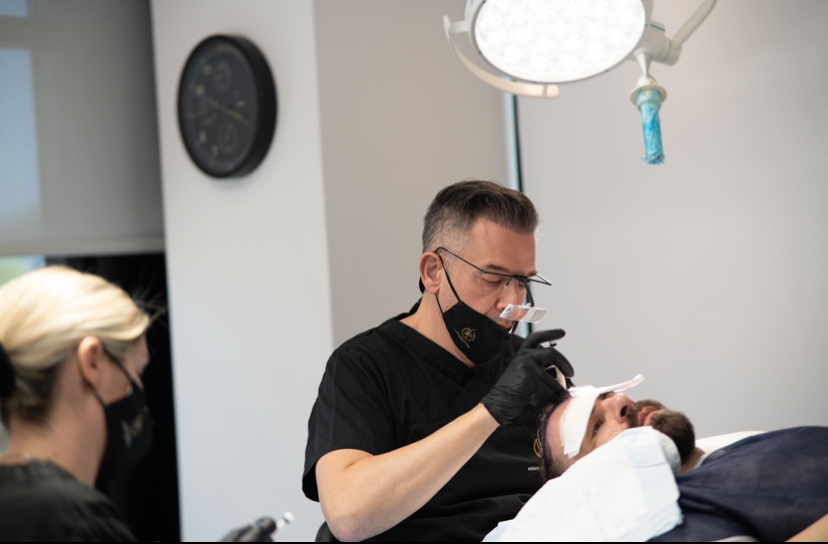
It should be noted that there is a specially designed area exclusively for the patient during the procedure. There, they can change clothes, have a meal, and relax while enjoying VIP services, with a view of the beautiful Hesperides Square in Glyfada.
There are several reasons why someone might decide to follow the Scalp Micropigmentation – Medical Tattoo method:
Medical Tattoo – Scalp Micropigmentation is a completely safe procedure that can practically be applied to anyone wishing to cover thinning areas or scars. In some cases, mild bleeding or localized bruising may occur after each session, which is completely normal and subsides after a few days. Mild pain is also common and can be managed with over-the-counter painkillers.
The results of Scalp Micropigmentation (Medical Tattoo) become gradually visible from the very first session. Most often, it creates the appearance of a closely shaved haircut that looks highly realistic, without showing that a tattoo has been done.
Scalp Micropigmentation Medical Tattoo can be successfully and safely applied to both men and women suffering from alopecia areata.
The success of the method is not affected by factors such as skin type or color. Depending on the desired outcome and the patient’s natural hair color, different types or shades of pigment can be used, and more or fewer shading layers can be applied to achieve a natural result.
Scalp Micropigmentation can also be successfully performed in cases of alopecia areata. In fact, there are instances of such extensive thinning and hair loss that medical tattooing is practically the only applicable method, as there may not be enough hair for a traditional hair transplant.
Before the procedure begins, local anesthesia is applied to the area where the Medical Tattoo – Scalp Micropigmentation will be applied. and thus the treatment is a very well-tolerated procedure. At the same time, the experience of the specialist who will apply the treatment is also very important.
Before undergoing Medical Tattoo treatment, you should be well-rested and ensure the scalp has been properly cared for and washed. Between sessions, it is recommended to avoid activities such as swimming, steam rooms, or saunas, as well as exposure to intense heat, humidity, or very hot showers. A very important aspect of Medical Tattooing is avoiding sun exposure, especially during the first few days after the procedure, as sunlight can affect the final results. If sun exposure is unavoidable, use a sunscreen with at least SPF 30.
Medical Tattooing, or Scalp Micropigmentation, is considered semi-permanent. It is a coverage method, and results usually last 5–7 years. The longevity of the results depends on many factors, such as skin quality, scalp care routine, sun exposure, and several other factors. Another very important factor affecting the duration of results is the quality of the pigment used. The higher the quality of the pigment, the longer the results will last and the better the overall appearance.
Medical Tattooing, or Scalp Micropigmentation It is a completely safe procedure, performed in a clinical setting, and does not pose any risks to the patient. In some cases, mild bleeding or bruising may occur in the area, which resolves quickly. However, it should be avoided in certain cases, such as patients who are prone to keloid or hypertrophic scarring.